

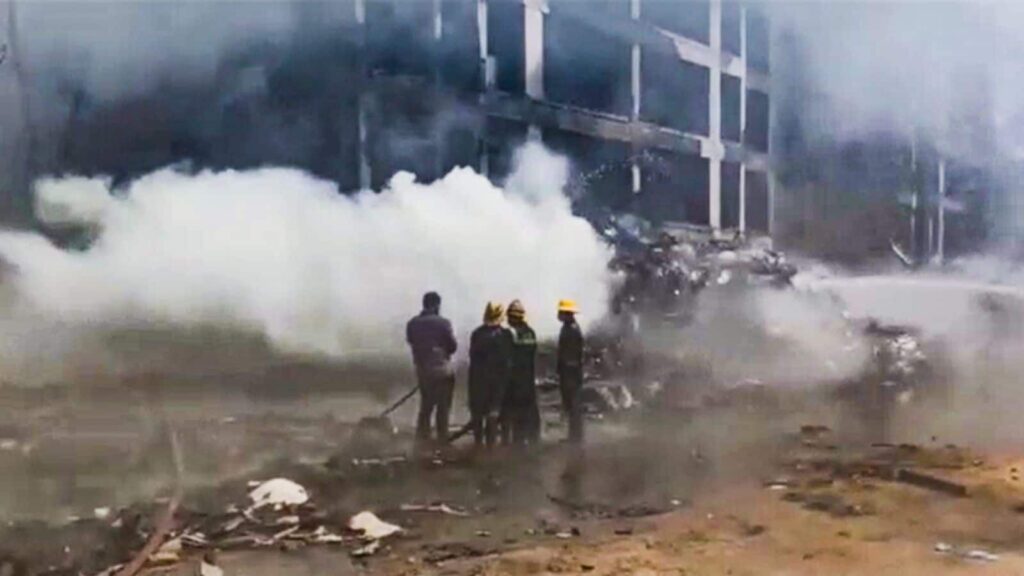
The Boeing 787 Dreamliner, the aircraft involved in the tragic Air India crash in Ahmedabad, has long been under scrutiny. Despite being one of the most advanced wide-body jets in the world, the Dreamliner has faced repeated safety and reliability concerns since its launch.
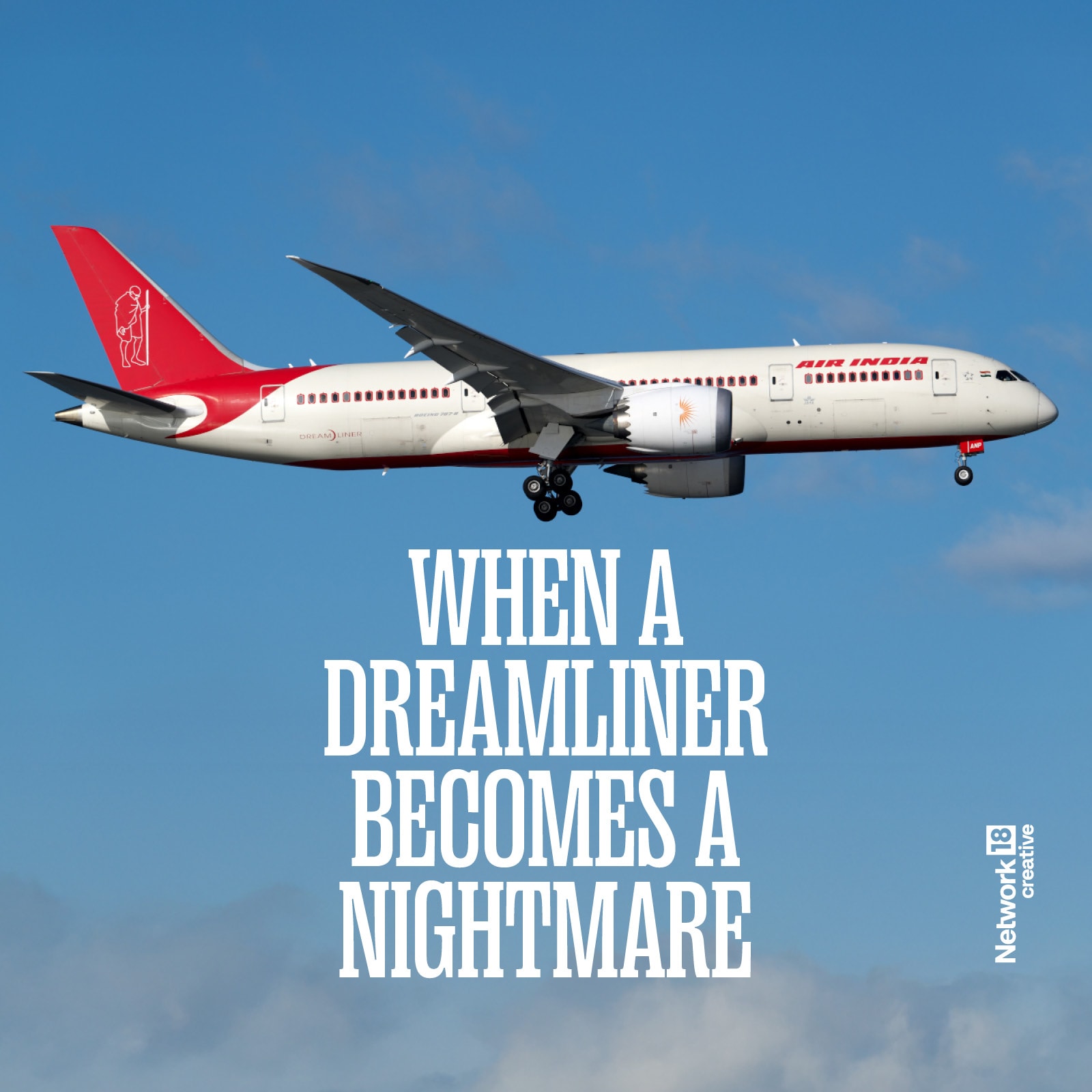
The Boeing 787 Dreamliner is considered the pride of the US company’s long-haul fleet — a fuel-efficient, wide-body, lightweight aircraft capable of carrying up to 330 passengers. (Photo creative: News18)

Air India flight 171, a Boeing 787-8 Dreamliner with 242 on board, crashed in the western city of Ahmedabad shortly after takeoff. (Photo creative: News18)
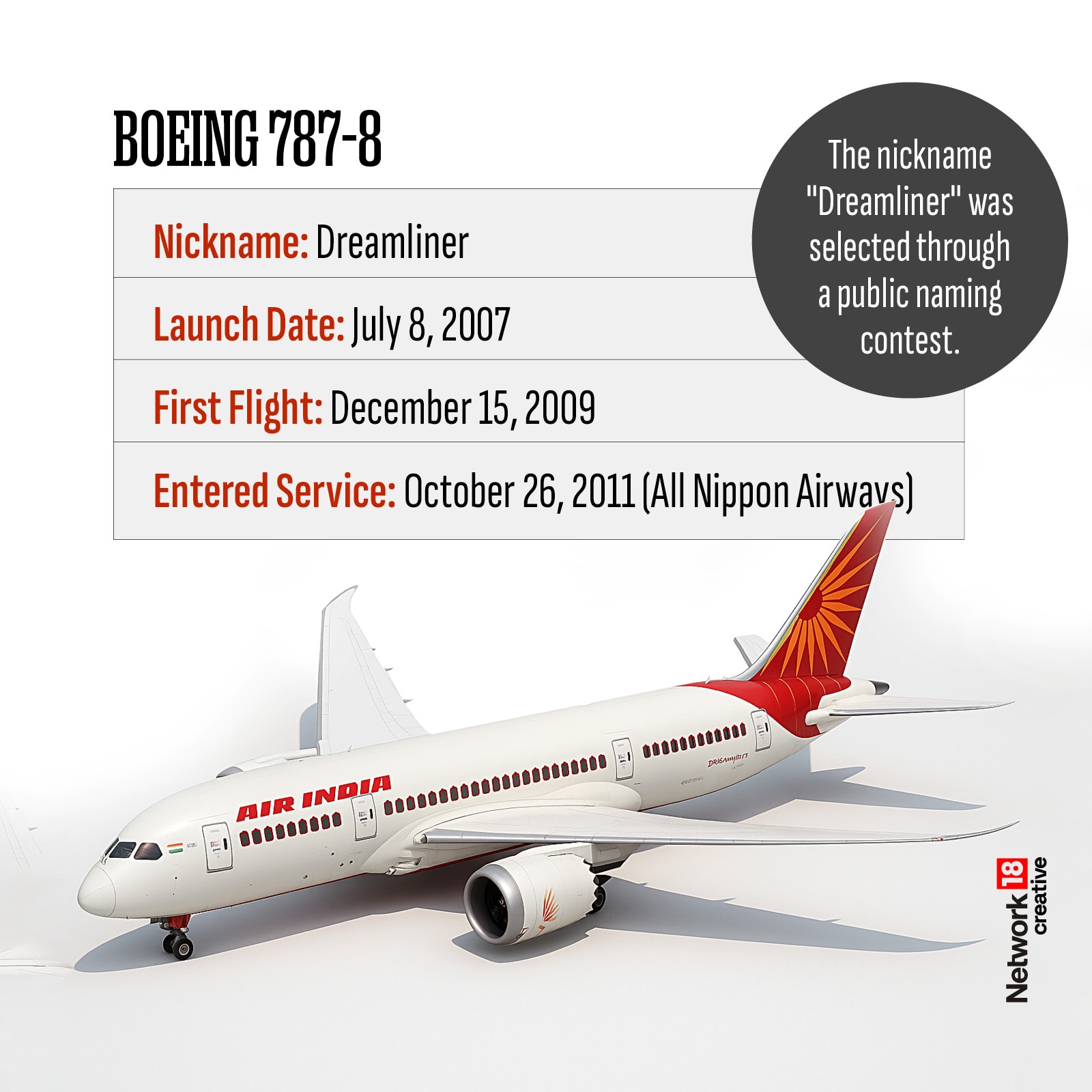
The Boeing 787-9 “Dreamliner” got its name from a global competition organised by Boeing in 2003. (Photo creative: News18)
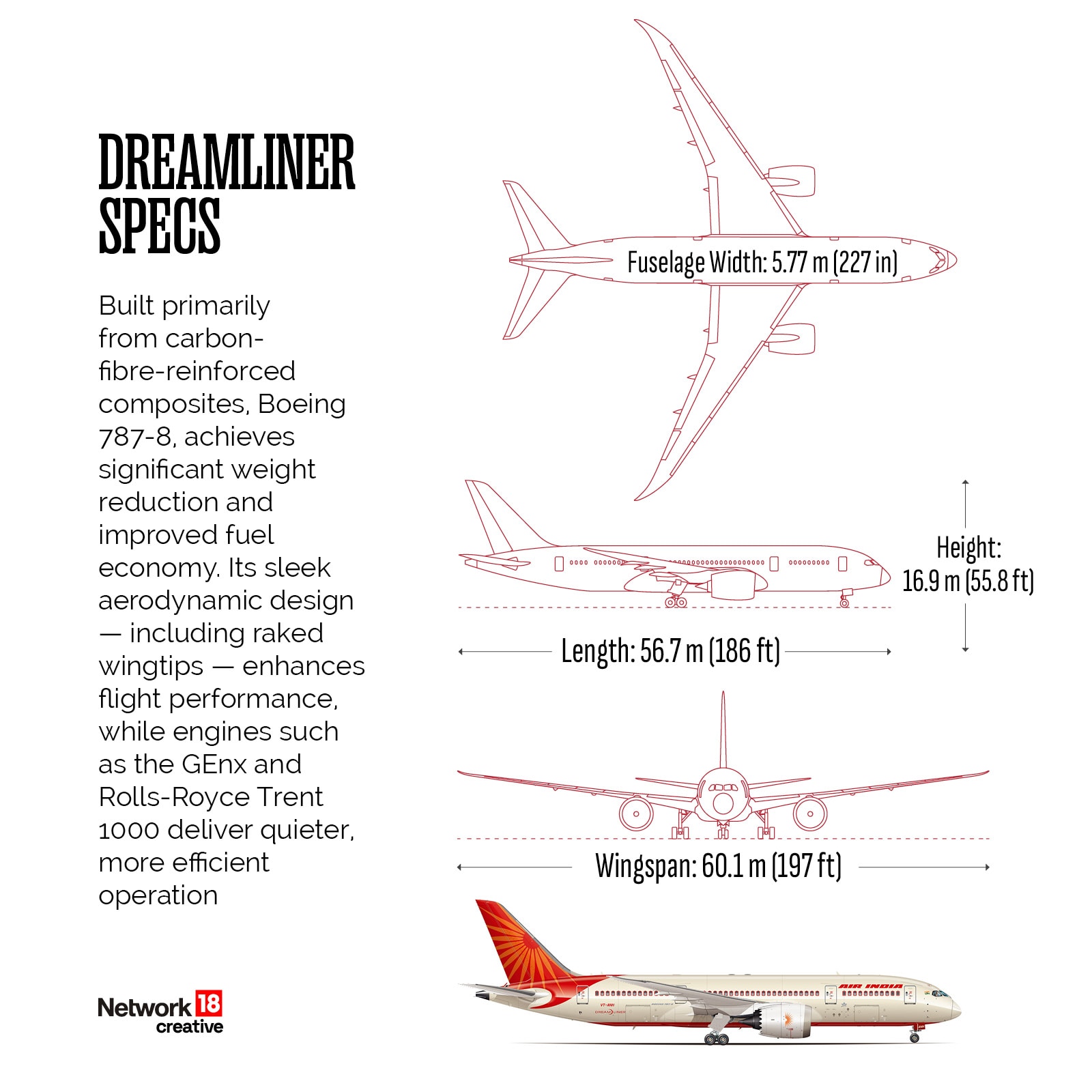
The Boeing 787 Dreamliner, a long-range wide-body airliner, is available in three variants: the 787-8, 787-9, and 787-10. (Photo creative: News18)
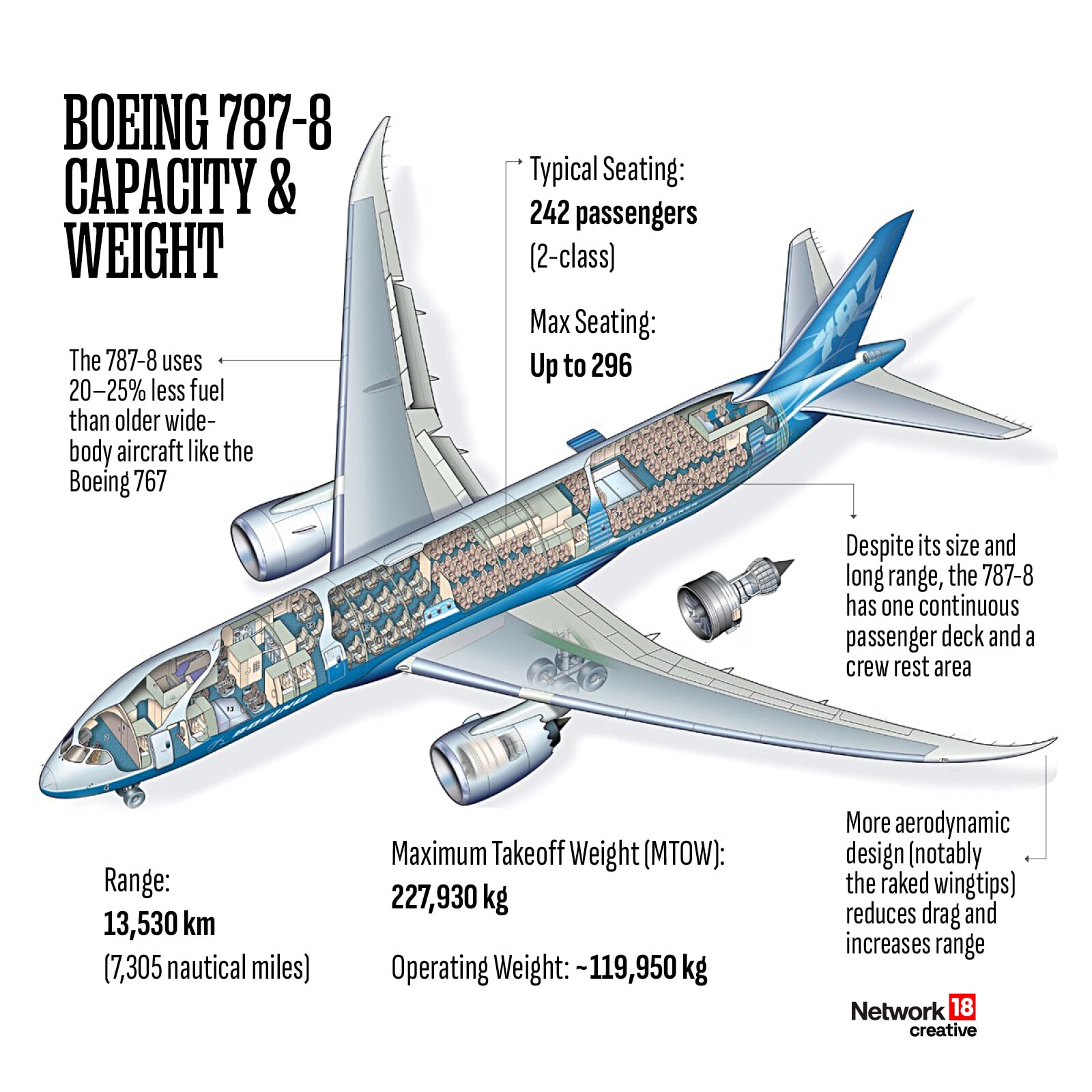
Passenger capacity varies by model: the 787-8 typically carries around 248 passengers, the 787-9 up to 296, and the 787-10 up to 330. (Photo creative: News18)
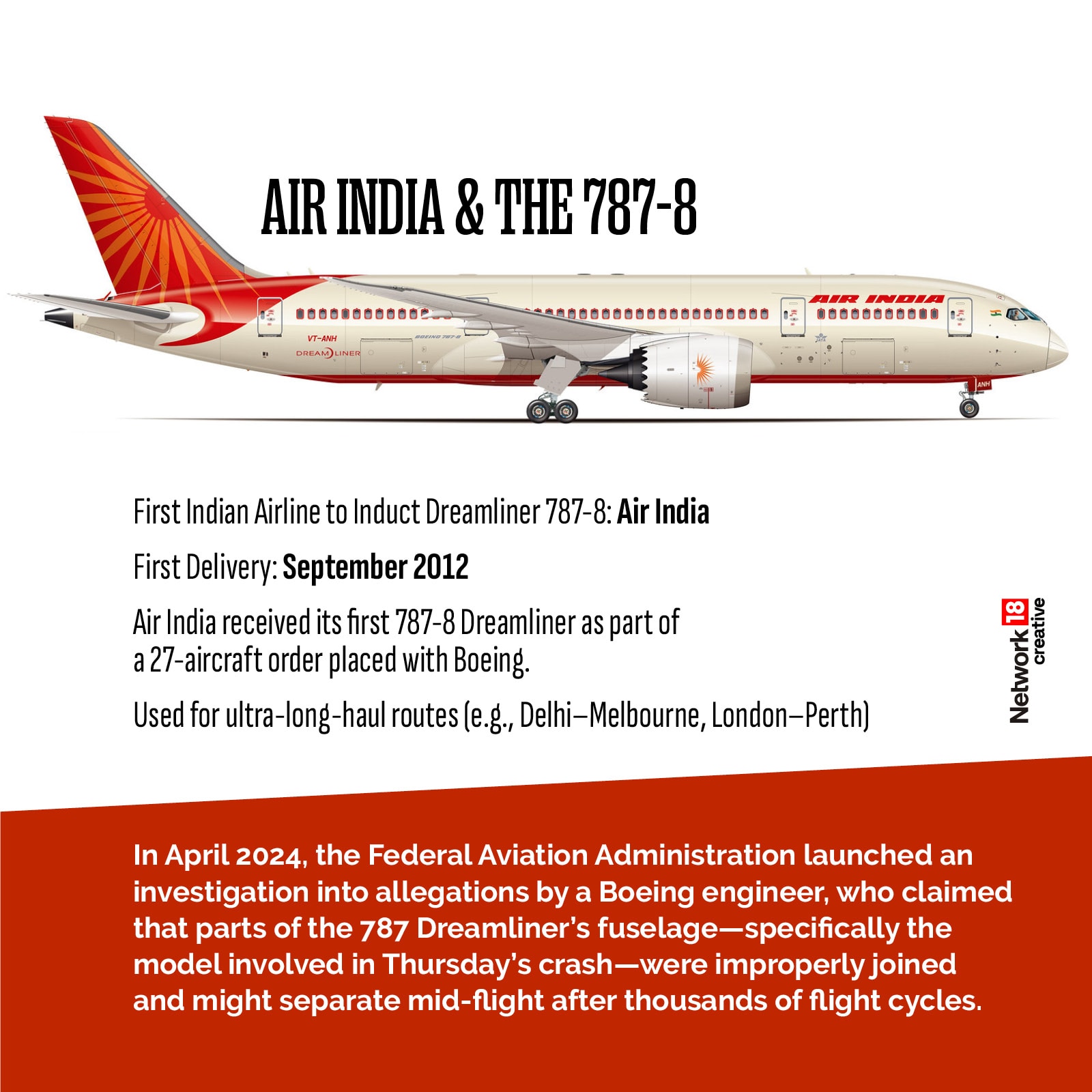
The aircraft involved in the Ahmedabad crash had its first flight on 14 December 2013 and was delivered to Air India in January 2014. (Photo creative: News18)
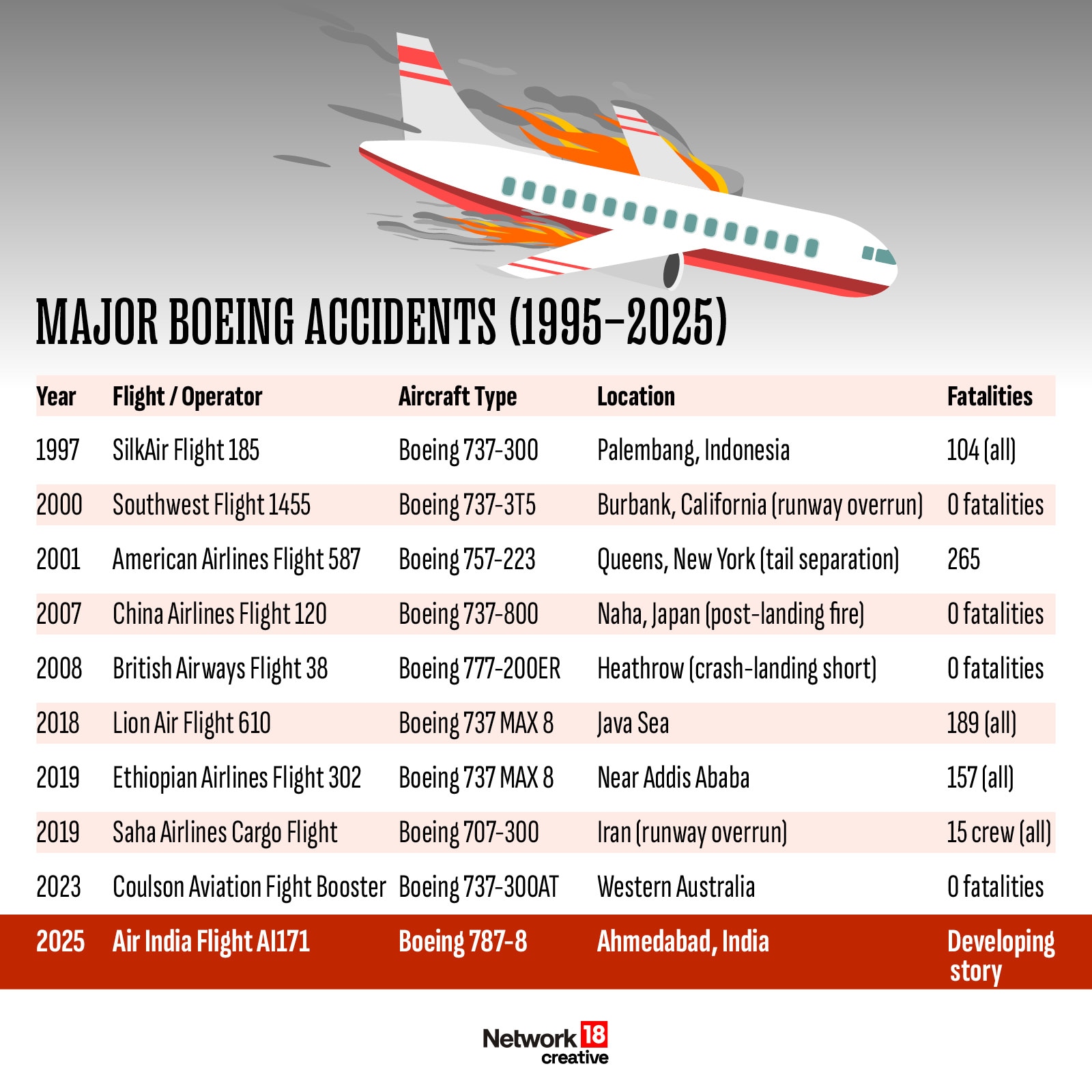
The Max version of Boeing’s best-selling 737 has been a source of ongoing problems for the company after two crashes. One occurred in Indonesia in 2018 and the other in Ethiopia in 2019, together claiming 346 lives. (Photo creative: News18)


